Teenagers yearn for real obligation. Give them skills that matter and they climb to the moment. First aid training fits that reaction completely due to the fact that it asks youngsters to look up from their very own problems and take fee when something goes wrong. I have enjoyed a 13-year-old scout comfortably straight grownups throughout a campsite bronchial asthma assault, and a high school basketball captain recognize warm fatigue before it ended up being an emergency. Those minutes do not originate from good luck. They originate from organized technique, repeating, and a first aid course customized to how teenagers learn.
This guide unites what operate in youth programs, whether you run a scout troop, train a team, manage a young people facility, or parent a teen who desires beneficial qualifications. The information show years of arranging first aid and CPR training for youths, paying attention to instructors who specialize in this age, and noting what sticks a month later on a dark path or a noisy institution bus.
The situation for first aid and CPR in young people settings
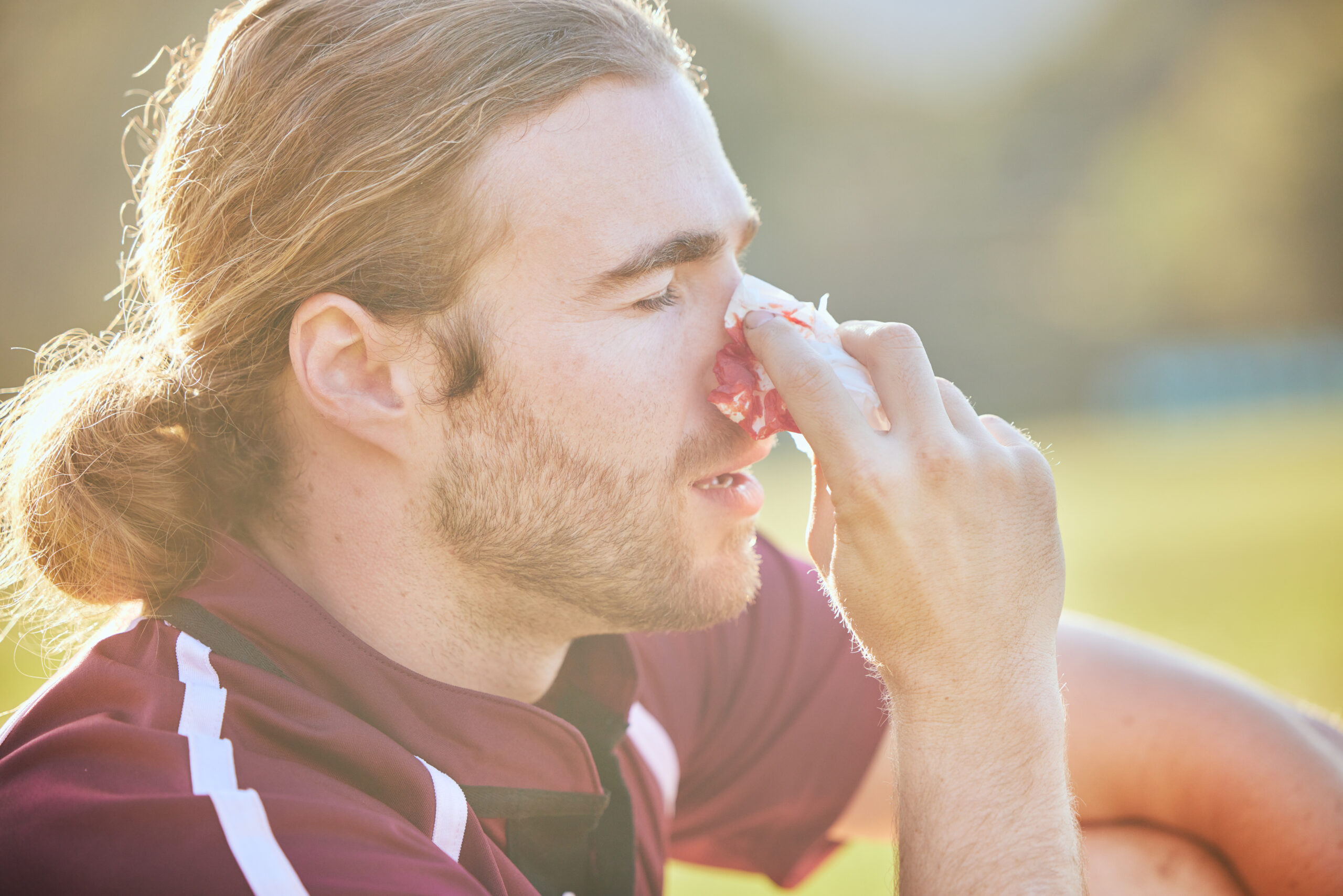
Emergencies around teens look various than emergency situations in an office. You see skate park fractures, sprained ankle joints on treking tracks, dehydration at events, food allergies at sleepovers, and the periodic panic attack after a tough exam or a debate. Add to that the fact that teenagers frequently relocate teams without a grown-up appropriate next to them. The very first person to discover problem may be an additional teenager.
A well-designed first aid and cpr course gives teens three things. First, the confidence to progression instead of freeze. Second, a manuscript wherefore to do while help is on the way. Third, a common language inside the team that lowers chaos when something occurs. Scouts, for example, currently operated on checklists and pal systems. Good first aid training links into that society and magnifies it.
You do not require every teen to become a professional. You do require them to identify a deadly trouble, phone call for aid successfully, and begin the very first steps of care. That is the useful bar, and it is realistic with someday of concentrated instruction followed by refreshers.
What teens in fact need to learn
The content of first aid courses varies by service provider and credential. For young people programs, the basics correspond. Beginning with scene safety and emergency situation activation, after that move through the highest-stakes issues prior to the lower-stakes ones. One of the most efficient curriculum for a teen target market consists of:
- Recognition of life dangers: unresponsiveness, extreme bleeding, choking with inefficient coughing, anaphylaxis, and breathing troubles like asthma exacerbations. CPR training with AED usage: compression-only CPR for teens that are unclear for mouth-to-mouth, plus full CPR for those ready to certify. Experimenting genuine AED fitness instructors is non-negotiable. Severe bleeding control: straight stress, appropriate use of gauze, stress dressings, improvised options when materials run low, and when to consider a tourniquet. Allergic reactions: early indications, use epinephrine auto-injectors, second-dose considerations after 5 to 10 mins if symptoms return, and checking for rebound. Common sporting activities and outside injuries: strains, stress, fractures, dislocations, head bumps with suspected concussion, warmth disease, hypothermia, and minor burns or cuts. Medical issues teenagers really come across: collapsing after standing, hyperventilation and anxiousness symptoms, diabetic lows in a classmate who missed lunch, and cramps or dehydration. Communication and management: how to designate duties, speak with emergency dispatch plainly, straight spectators, and hand over care when experts arrive.
Keep instruction honest about compromises. A precursor with limited materials on a route can not replicate a facility. That is fine. Highlight priorities: quit severe blood loss first, open the respiratory tract, telephone call early, and maintain the person warm.
Adapting instruction to a teen mind and body
Teens can fully grown judgment, however they benefit from short cycles of doing instead of long talks. The pace issues. I aim for 10 to fifteen mins of demonstration complied with by hands-on stations. Revolve with various scenarios so that every trainee places their hands on tools, not simply the loudest three.
Size and endurance are aspects. Efficient CPR compressions for an adult-sized manikin need body weight and rhythm. Smaller sized teens may fatigue promptly. Show two-person rotation early, switching every 20 to 30 compressions throughout practice so they learn team effort along with strategy. With AED trainers, designate a trainee who is much less comfortable with compressions to operate the device and call out prompts. It keeps them involved and constructs competence without overtaxing them physically.
Attention spans run warmer with stories. Share short, true narratives: a bleacher collapse where a teen used a jacket Go here as a stress clothing, or a poolside rescue where someone failed to remember to send out a jogger for the AED and shed valuable minutes. Information issues also. Highlight that prompt spectator CPR can double or triple survival in sudden heart attack. Link that number to a genuine person's timeline: call, compressions, AED analysis within three minutes if available.
Which course and credential make sense
You will see choices such as basic first aid courses, integrated first aid and cpr courses, and specialized cpr courses with AED. For teenagers and scouts, the combined style normally makes the best use time. Eventually, frequently six to 8 hours with breaks, covers the basics and ends with a first aid certificate that institutions and programs acknowledge. Some providers label their youth-focused courses as First Aid Pro or similar, showing a focus on situations and functional drills as opposed to work environment compliance alone. The branding issues less than the proportion of technique to talk.
A cpr correspondence course every year aids abilities stay sharp. Some teams go with a shorter two to three hour session midyear, concentrated purely on compressions, AED usage, and choking. If your main event is a lengthy summer season expedition or a multiday jamboree, timetable the refresher course within two months of departure.
In mixed-age precursor units, think about splitting right into identical tracks for a couple of modules. Older teenagers can take care of advanced blood loss control, additional assessment, and longer circumstances with realistic time stress. More youthful teens benefit from much shorter, clear jobs that develop success, such as positioning an AED, opening respiratory tracts, or exercising the recovery position.
The logistics that make or break a young people course
Space, gear, and group size matter greater than people confess. A solitary fitness center or multipurpose area with floor space beats a class with workdesks. Plan stations in edges to keep sound and movement convenient. Keep first aid kits noticeable and open so trainees can deal with the contents repeatedly. If possible, develop scenarios around the areas they really spend time: the trailhead, the college hallway, the bus stop, the swimming pool edge.

Instructor-to-student proportion ought to float around 1 to 8 for ability stations, 1 to 12 at many. With bigger troops or teams, recruit assistant teachers or experienced youth leaders that have actually currently made their first aid certificate. Teenagers teach teens properly when they model calm and utilize the exact same vernacular. Placement grown-up trainers to drift and fix technique.
Equipment requires scale with goals. For a team of 16, go for four grown-up manikins, at the very least one youngster and one infant manikin if you plan to consist of pediatric abilities, 2 to four AED fitness instructors with pads, and hemorrhaging control instructors or method kits with gauze and elastic wraps. If your budget plan is thin, set pupils and revolve quickly with rigorous time limits.
Snacks and water are not optional. Power dips result in careless compressions and missed reps. Construct five-minute microbreaks every 45 to 60 mins, after that a longer lunch if you are running a full day. Utilize the break time to establish the next circumstance and reset manikins and pads.
Safety and boundaries throughout training
It is simple to overlook security while everybody is claiming to respond to emergency situations. Establish guideline early. No genuine epinephrine in technique, and do not needle sticks under any circumstances. If you show a real auto-injector, maintain it topped and different from trainers. For choking method, nobody must replicate an international body by putting anything in the mouth. Use choking vests or act it out with clear instruction.
Role-play circumstances can activate anxiety for some pupils, especially those who have actually experienced trauma or loss. Deal opt-in roles: viewer, timekeeper, scribe, or 911 customer, and normalize stepping out without judgment. Maintain phony blood modest. If you utilize moulage for older teenagers, clarify it beforehand and get consent.

Confidentiality should have a pointer. Pupils frequently share clinical conditions throughout practice. Make it clear that classmates do not go over an additional teen's wellness beyond the training setting.
What sticks after the certificate
The first aid certificate is the begin, not the finish. Abilities fade, especially those not utilized weekly. Two practices help maintain knowledge energetic. Initially, short refreshers at the beginning of routine conferences or practices. Five minutes at an army conference to assess how to locate the carotid pulse deserves greater than an extra lecture hour months later on. 2nd, debrief actual cases without blame. If a player passed out at an away game, talk through what worked out and what could tighten up next time.
Visual cues help. Place an AED map on the wall of your center and have teens find the local tool at any type of location they check out. Method saying the address of your regular meeting point without looking it up. In an emergency, the dispatcher's first inquiries revolve around area and the telephone number you are calling from. Teens making use of a cellphone must exercise reviewing that number from the lock screen or remembering it.
For precursors headed right into the backcountry, incorporate first aid right into pack checks. Who lugs the major set, and who has a second mini-kit? What is inside each? Who has the emergency situation get in touch with card with insurance details? These are tiny management selections that reduce the time in between injury and care.
Edge cases and judgment calls
Good programs do not avoid grey areas. Below are a number of situations that force useful discussion:
- A teenager sprains an ankle joint on a path three kilometers from the nearest roadway. Do you splint and mosey or send 2 runners for help? The decision depends upon daytime, weather condition, cell function, supply of water, and the teenager's discomfort tolerance. Practice celebration those details prior to deciding. A trainee with bronchial asthma neglects their inhaler at a competition. One more teen supplies an inhaler. Sharing prescription medication is normally not recommended, yet in a serious asthma strike without instant accessibility to treatment, the risk computation changes. Show the lawful and clinical effects simply and urge prevention: instructors and leaders should carry a spare spacer and know where a reducer inhaler is saved when plans allow. A presumed concussion at a video game with a champion on the line. The temptation to return to play is real. Youth leaders have to recognize the existing return-to-play guidance and hold the line: when unsure, rest them out, after that formal assessment prior to resuming task. A first aid course can practice that conversation so a teenager captain understands just how to support the adult decision in the moment.
Selecting a service provider and establishing expectations
Quality differs. When comparing first aid courses for youth, ask how much time is hands-on versus lecture, what scenarios are consisted of, and whether cpr training comes with AED practice on every manikin. Validate that teenagers will finish sensible assessments, not just a created test. Look for teachers with experience mentor teens, not just workplace compliance classes. If a provider lists a First Aid Pro or scenario-heavy alternative, evaluation sample timetables. You desire at the very least 60 percent of time spent on practice.
Ask concerning ease of access. Does the service provider deal large-print materials or alternative techniques for pupils with wheelchair or sensory distinctions? Exist translated handouts for family members who favor an additional language at home?
Costs differ by region and carrier. In many cases, team prices for young people programs bring the price per pupil down by 20 to 40 percent compared to public courses. Some area organizations and councils fund cpr courses for precursors and volunteers. It deserves calling the neighborhood chapter instead of presuming published rates are final.
Building a culture that supports action
A single program relocates the needle, but culture keeps it moving. When adults design calm actions and applaud great process, teens copy that habits. Think about selecting a young people security lead for each and every activity block. Turn the duty. The safety lead checks the first aid kit, confirms AED location, keeps in mind the address, and identifies who brings the phone with great function. It takes three minutes and establishes the team's tone.
Language issues. As opposed to "Don't worry," which is not actionable, attempt "Breathe, check for threats, and speak loud so we can hear you." Change "That knows first aid?" with "You, call emergency situation, you, bring the set, I'm starting compressions." Details duties decrease spectator paralysis and maintain teenagers from discussing one another.
Share successes without boasting. If a young people participant uses skills from a first aid and cpr course to aid somebody, inform the story at the next conference. Stress the chain of survival and synergy. Commemorate the silent roles as well, like the scout that kept the group back or held pressure on a wound for ten mins without letting up.
Equipment and sets that make good sense for youth groups
An excellent kit is not a talisman. It is a set of tools that teens will actually make use of due to the fact that they recognize where products live and just how to deploy them under anxiety. I prevent the titan, overstuffed pouches that rattle around in a van and frighten new volunteers. For most scout tasks and teen sporting activities, a medium pouch with clear areas works better.
If you are constructing or auditing a kit, go for:
- Basics in multiples: disposable handwear covers that fit small hands and larger ones, triangular bandages, various adhesive bandages, clean and sterile gauze pads, and natural wrap. Bleeding control: large dressings, a pressure plaster, and a readily made tourniquet if your training covers it. Teenagers must rehearse the straight pressure initially and tourniquet 2nd decision. Airway and breathing: a pocket mask or face shield for CPR, a spacer for inhalers, and a list of recognized bronchial asthma or allergy drugs carried by group participants. Do not supply prescription meds unless your program plan allows and you handle them tightly. Environmental care: instantaneous cold packs, an area blanket, sunscreen, and a small bottle of electrolyte mix packages for warm days. For winter season sports, include hand warmers. Administrative things: a laminated emergency situation card with program address, conference point general practitioner collaborates for tracks, crucial telephone number, and a pen with a small notepad.
Place a duplicate of the AED areas at your normal places right in the set. If you travel, the initial 2 teenagers to show up can be the AED scouts who discover and examine the path to the local device.
Designing scenarios that mirror the actual thing
The best part of young people first aid training is the imagination you can make use of to make situations really feel real without frightening any person mindless. Mix quick reps with longer analytic. For instance, run a three-minute drill on choking alleviation with manikins, then move to a 15-minute outside circumstance where a runner turned an ankle joint near sunset and the weather condition is transforming. Layer decisions: splint on scene, or relocate to sanctuary first? Who keeps the team warm while somebody calls for help?
Use restrictions that teenagers face: reduced battery on the phone, poor illumination, loud music, peers loitering shooting, and conflicting directions from a nervous grownup. These are not gimmicks. They record the friction of real occurrences and instruct communication habits that shine later.
Rotate leadership so each teen experiences the stress of making the first telephone call. Assign a scribe who writes time stamps. That behavior pays rewards when turning over to paramedics. Maintain responses tidy and short: one appreciation point, one enhancement factor, after that run it again.
When to tip up to wilderness or innovative training
Scouts and outside clubs that invest evenings away from quick Ringwood first aid course emergency situation reaction benefit from additional modules or a separate wilderness first aid course. The state of mind changes. You become the initial -responder with restricted sources for hours rather than minutes. Concepts like extensive client evaluation, improvisated splints, ecological monitoring, and evacuation choices become central.
Older teenagers who have finished a standard first aid and cpr course can manage wild educational programs if the teacher adjusts rate and circumstances. Anticipate a complete weekend, often 16 to 20 hours. It is worth it for backcountry travels or remote solution jobs. Your team's cpr training stays pertinent, but the focus is on prevention, leadership, and receiving care while help is still far off.
Working with parents and guardians
Parents drive attendance and enhance abilities in the house. Loophole them in early. Share the timetable, what the first aid training covers, and any type of physical demands so teens can clothe to stoop and move. Ask families to checklist allergic reactions, asthma, seizure background, or other factors to consider that trainers must recognize before scenarios begin. Keep that information secure.
After the course, send a concise recap of what students discovered and recommendations for home support. Urge moms and dads to allow teens situate the home first aid kit, check products, and technique stating their address and phone number. If the family members has an AED at a community center or health club they constant, have first aid course listings in my area the teen factor it out on their following visit.
Certification, documents, and renewals
Track that finished which first aid and cpr courses and when their first aid certificate runs out. Many young people programs use a straightforward spread sheet shown certified leaders. Shade code expiries six months out so you can plan the following class or cpr refresher course without scrambling. Keep duplicates of cards or electronic certificates in a safe folder. Some suppliers offer portal access where you can bulk download qualifications for your group.
If your organization has minimum staffing requirements for occasions, deal with these like safety and security duties on a roster. Do not rely on a single licensed teenager for coverage. Go for a mix of young people and adults with current training at every conference, practice, and trip.
The benefit you will see
When teenagers educate well, the change shows up in little minutes. A precursor comfortably places a friend in the healing placement after a faint. A beach ball gamer notices a teammate's slurred speech and promotes a stroke evaluation. A camp counselor-in-training maintains pressure on a wound without peeking every 5 seconds. These are not TV saves. They are self-displined activities, born of repeating and clear guideline, that shorten timelines and minimize harm.
Run one strong class and you begin a flywheel. Teenagers that make their first aid certificate become assistant teachers. They remind their peers to bring inhalers and water. They lobby their schools for a noticeable AED in the fitness center. The following associate arrives curious, since the older kids speak about the situations with satisfaction instead of rolling their eyes.
Real readiness is not complicated. It is a pattern of short, purposeful methods, the right tools accessible, and the self-confidence to act. Young people programs already develop character and leadership. Add first aid and cpr training that respects teenagers as qualified -responders, and you hand them another means to care for each other when it counts.